Showing posts with label Ayurveda. Show all posts

Tuesday, May 7, 2019

Anu tailam , Benefits, How to do

Anu tailam is an ayurvedic combination of medicine.

It is very effective treating disorders above the neck. It is used in Ayurvedic Nasya.

Anu tailam Benefits:


  1. Anu tailam nasaya will help to treat all the disorders of head, eyes, nose, ears, and mouth.

  2. Using two drops in nose everyday morning will help to prevent diseases, improve immunity, and health.


Tuesday, April 30, 2019

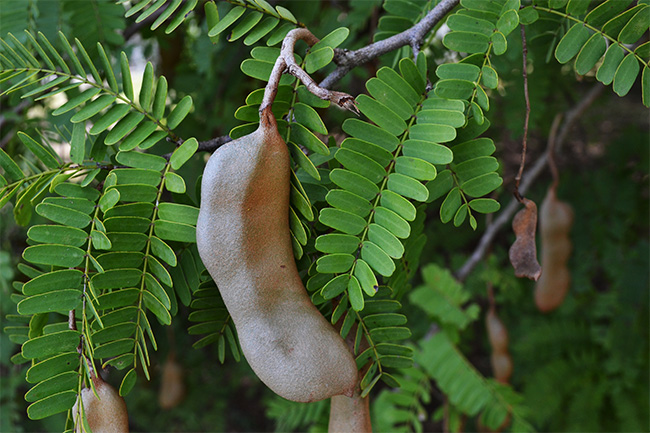
Ayurvedic Uses Of Tamarind Leaves

Tamarind leaves have some unique healing properties. Here are a few of them.


  1. Take tamarind leaves dried in shade. Apply the power of this leaves on the wounds will help in quick healing.

  2. Take tamarind leaves boil in water. Take bath in the above solution after it cool. This will help to prevent body pains and tiredness.

  3. Take equal quantities of tamarind leaves and neem tree leaves. Boil it in pure water after cooling wash wound and cuts with it. It will give quick healing.

  4. Crush the tamarind leaves and make a juice from it. Have this regularly to heal piles.


Ubtan, Benefits, How to do and Precautions

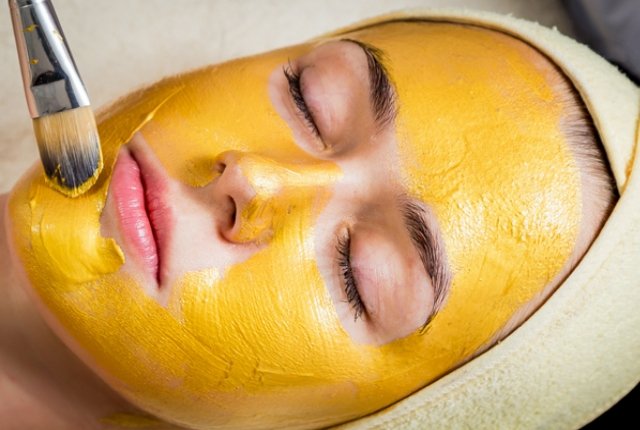
Ubtan is a form of cleansing therapeutic massage done after Abhyanga. Ubtan uses cleansing pastes prepared from herbs and flours or coarsely ground legumes. These clarify the skin by drawing heat from the blood and stimulating lymph flow and also exfoliate the skin and firm mup the body. Traditional ubtan pastes use medicinal herbs such as manjistha, neem and sandalwood that break down congested toxins in the blood and lymph and encourage the body to shed toxins naturally. Babies are traditionally rubbed down with an ubtan paste at birth to cleanse them of impurities and strengthen their coordination.


Ubtan cleansers can be applied either as pastes or powders, and are rubbed into the face and body fairly vigorously to stimulate the release of toxins. Vata types shopuld use a more liquid application with relatively large, circular movements- their skin being fine, powders can be a little too abrasive. Pitta types benefit from a smooth paste application that can be easily worked in circular mo0vements without over-stimulating the skin. Kapha types require a powder application and should use small, vigorous, vibratory circular movements to really stimulate the natural flow of body fluids. Remember that you can use the ubtan recipe for your dosha, or the ubtan for the dosha imbalance you are experiencing.

Ubtan cleansers are available in Ayurvedic shops but here are some simple recipes for making your own. Make sure facial cleansers are ground smoothly enough to not irritate your skin. These may be used for the body as well. Because the skin of the body is less delicate than that of the face and neck, any cleanser used for the body can be coarser and used with a little more vigour to help tighten the pores and invigorate the underlying muscle and lymph tissue. When cleansing your body, if you have time, apply the ubtan paste, leave it on for 10-15 minutes until it begins to dry and then rub it off.

Facial Ubtan

Vata facial Ubtan

VBBata types benefits from a more liquid ubtan that warms and moisturizes the skin. 5-6 raw, blanched almonds, skin removed, 1/4 cup malai, 2 tablespoons of sesame oil, 1 teaspoon finely ground brahmi or tulsi.

In a bowl, soak the almonds in the cream overnight.

In a food processor, combine the almonds with the cream, sesame oil and herb. Pulse until the mixture is smooth but yet has plenty of texture.

Rub into your face using gentle, circular motions. Let the untan soak in/dry 5-10 minutes. Dust off excess.

Rinse off with cool to lukewarm water necessary.

Pitta facial Ubtan

This pitta ubtan paste cools the skin and extracts heat toxins.

3 teaspoons chana besan,1/4 teaspoon ground turmeric. 2 teaspoons ground white sandalwood or 1/2 teaspoon sandalwood essential oil. 2 tablespoons crushed cucumber.

In a bowl, stir together all the ingredients.

Rub the mixture into your face using small, circular motions. Let the ubtan soak/dry5-10 minutes. Dust off excess.

Rinse with cool water if necessary.

Kapha facial Ubtan

Kapha types benefit from a powdered ubtan that stimulates the skin to reduce water and accommodates natural lymph flow.

3 tespoons mung dal.

1 teaspoon ground, dried orange peel.

1 teaspoon Ayurvedic herbs such as neem powder, long pepper.

With a mortan and pestle, crush all the ingredients, taking care to break up the mung dal into small pieces.

Rub the mixture into your face using small, vigorous circular movements. Let the ubtan soak in/ dry for 5-10 minutes. Dust off excess.

Rinse with cold water if necessary.


Abhyanga for the face and neck

Massaging your face and neck moisturizes the skin and also helps the abhyanga oils to penetrate. Your massage movements should be applied upward, towards the temples, like a natural facelift.

2 to 3 tablespoons abhyanga oil of your choice, homemade or purchased, warmed to room temperature if necessary.

Apply oil lightly from the bridge of your nose over the cheeks and out to the ears. Rub your temples in small circles, then massage in circles up the hairline. Rub from the centre of your eyebrows upward and outward over your forehead. Use 3 fingers of either hand to massage in circles all over your forehead.

Using both hands, massage in straight strokes from the centre of your upper lip outward under the cheekbones to the ears. Using the index finger of each hand, rub over and around the inside edge and then outside your nostrils in circular movements. Then use 3 fingers of each hand to massage in straight strokes outward from your nostrils to your ears. Massage in front of and around your ears. Massage your earlobes and inside the ears.

Apply gentle pressure on your cheekbones in an upward direction towards your temples. Pinch-press along the eyebrows, starting at the centre of the brow and moving outward. Press on your eye sockets by closing your eyes and patting from the inside corners to the outside.

Starting with your fingers under your jaw, manipulate the area from your jawline to the base of your neck in a piano-playing motion, with gentle but firm pressure.


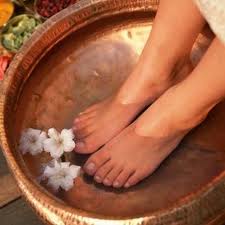
Warm water foot bath, Benefits, How to do and Precautions

Warm water foot bath is a simple procedure that gives numerous health benefits.


How to do:

Sitting on a chair, both the feet are placed in the bucket filled with warm water. When the warmth of the water is cooled down fresh warm water is added to maintain the heat. The body is totally covered for 20 minutes with a woollen blanket including the bucket. A piece of wet cloth is placed on the head. The entire body sweats from top to toes. Then the foot bath is completed. Taking the legs out and uncovering the blanket the sweat is wiped off with a dry cloth. Rest is taken by sleeping under a cover.

Note:

A glass of water is drunk before taking a warm water foot bath. Focus on warmth in the body. Breathing is slow.

Benefits:

The irritation and itches in the legs, knee pain, body pains are cured. Rheumatism is prevented. It is a boon for those who suffer from sleeplessness. It sends one into a deep sleep.

Precaution:

People suffering from high blood pressure, heart diseases, mental unrest should not take warm footbath.


Monday, April 29, 2019

Ayurvedic Body Therapies

Ayurveda tells us that both the physical body and the emotional body can be rejuvenated through massages, facials and body therapies. some of these treatments call for year-round practice, while others work as seasonal pick-me-ups. While this book is intended as a means to comfortably and easily embrace Ayurvedic practice on your own, a trip to an Ayurvedic spa or wellness center with expert technicians can provide an excellent education. If you do not live near an Ayurvedic spa, try seeking one out for a yearly or seasonal getaway.


Purvakarma

The treatments described in these are all part of purvakarma, a series of body therapies performed to prepare the body to expel toxins through panchakarma or traditional Ayurvedic detox. All Purvakarma treatments essentially comprise two procedures:

Snehana which makes the body soft and helps loosen toxins.

Svedana which liquefies or melts toxins. Ideally, these can be performed as maintenance on a regular basis but a single session at an Ayurvedic health spa can also be quite effective.

Ask the practitioner to focus on your dosha-balancing needs or the dosha-balancing needs of the season, and do not be afraid to ask a question.

Snehana Therapies

Abhyanga- Massage with the therapeutic oils

Abhyanga literally translates as ' oil application' Ayurveda provides various oil-massage therapies that relax and detoxify the mind and body. While self- abhyanga benefits you every day, abhyanga received from a seasoned Ayurvedic technician with appropriate herbal oils prepared from medicinal plants truly meets your body's unique needs. Various styles of abhyanga are available, each distinguished by its own regional Indian flavor. sometimes the technician will stimulate marma, the vital energy points that awaken immune response often, more than one technician will massage your body, rhythmically moving with silent communication like a traditional Indian dance.

Dhara (oil therapy)

Dhara means 'flow'- in this case, the flow of therapeutic oils. Of all dhara therapies, Shirodhara is best known for its ability to relieve emotional and physical tension. Warm, herb-infused streaming oil is poured onto the third eye and over the forehead to relinquish the negative energies that bring on depression, nervousness, sadness, and fatigue. OTher dhara therapies include Chakradhara, a treatment in which herbal oils are poured onto the body's subtle energy centers such as the navel, solar plexus, and throat to link physical, mental and emotional interactions. In Pizichil or Taila Seka, a rejuvenating herbal oil is simultaneously flowed onto and massaged into the body to rejuvenate the nervous system and relieve inflammation in the joints.

Shiro Abhyanga

Another critical component of Ayurvedic therapy, this therapy for the central nervous system provides a deep massage of the head, neck and back starting from the base of the spine to release toxic energy upward and out of the crown chakra. A completely indulgent experience, it heals through the central chakras and marmas and helps correct posture. With this physical adjustment, you receive amazing mental clarity and awareness.

Svedana Therapies

A powerful detoxifying treatment, svedana or sweat therapy helps to open the circulatory channels, allowing toxins to be mobilized and eliminated through the sweat glands following abhyanga. A herbal concoction may be added to the steam to further loosen the toxins from the individual. Svedana liquefies the toxins and increases their movement into the gastrointestinal tract.

Svedana can be induced in several ways: through a well-heated chamber, medicated steam, sauna, a hot-water bottle, sunbathing, exposure to fire, plaster and poultices of hot herbal substances such as mustard, hot baths or showers, and hot packs.

After several days of abhyanga and svedana, the aggravated doshas become ready to be expelled through the Panchakarma therapy.

Other Herbal Body Therapies

Lepa

Lepa translates as medicinal plaster. Lepa therapy helps reduce inflammatory swellings and draws out impurities from inside the body to the skin surface. The body is then covered with dosha-specific herbs.

Udvartana

Udvartana eliminates toxins created smoking, water retention, and environmental poisons. This vigorous massage with fragrant herbal powders stimulates the lymph and cleanses the blood, the skin and the tissues that lie beneath it. Typically, udvartana is combined with a svedana therapy that helps dislodge and release impurities.

Panchakarma:

To know more about Panchakarma click on the link

Pashcaat Karma

Coming out of Panchakarma, the physical body is depleted, and needs to rebuild strength and immunity through a nourishing diet, lifestyle therapies, and rejuvenating therapies or rasayan. The treatment plan becomes much more prakruti-oriented or preventative. Its focus is on building ojas and reinvigorating the mind-body to function in a balanced dosha environment.


Ayurvedic Skin Care Abhyanga

Ayurvedic skin care begins with abhyanga, a therapeutic self-applied oil massage that nourishes the skin. Because looking good depends on feeling good, giving yourself a massage every day may be the best beauty secret you can utilize.

The combination of the gentle motion of the message and the healing power of herb-infused oils is optimum for stimulating the dosha energies to carry on their natural functions and retain balance, as well as for toning the skin and its underlying muscles and tissue. The infused oils used for massage have rejuvenating properties that we miss out on if we think of all oils as impurities or as sources of automatic acne or other breakouts since the right oils actually help remove toxins. Through Ayurvedic herbal extracts are available in creams, oils penetrate each of our 7 tissue layers successively. This is why professional Ayurvedic centers typically recommend abhyanga massage over a course of 7 days.

If using oils feels strange to you, start practicing abhyanga with an unprocessed oil like coconut or sesame. Using an unprocessed oil is critical even though it might be more sticky or odiferous than refined, processed oil. The latter is typically made for the cosmetics industry but has virtually no ability to grab on to the toxic matter in the tissue layers. Once you have chosen your oil, focus on the soothing effects of the message for the face and entire body, but if you do not have enough time for the full routine, focus on the head, face, hands, and feet for optimum results.

Abhyanga massage is traditionally performed with oils prepared from medicinal herbs that balance the doshas. If you are feeling healthy, use the oil for your dosha, otherwise, use the oil for the dosha that is out of balance. While these herb-infused oils are available from specialty shops. It is also easy to make your own simple, infused oil by combining a base oil with readily available culinary herbs, spices and flowers, many of which you might already have in your own kitchen. These oils will moisturize your skin gloriously while the scent will transport you, and the message you give yourself will give you time to focus inward every day. Here are recipes for making your own Ayurvedic abhyanga oils.

Abhyanga Massage Oils

Vata Abhyanga oil

1 cup ghee or sesame base oil, 1/4 cup mixed herbs; fresh turmeric root, fresh ginger, lotus root, fresh cloves, and fresh orange peel, Jatamansi, jasmine or rose flower petals, ashwagandha root powder in any combination. Essential oils: Jasmin, basil, orange, rose (optional).

Pitta Abhyanga oil

1 cup ghee, coconut or sunflower base oil 1/4 cup mixed herbs: fresh turmeric root, camphor pieces, manjistha, neem, shatavari, white sandalwood in any combination. Essential oils: pine, sandalwood, tea, tree or neem (optional).

Kapha Abhyanga oil

1 cup sesame base oil, 1/4 mixed herbs: fresh turmeric root, tulsi, fresh ginger, fresh lemon peel cardamom and cloves, in any combination.

Essential oils: patchouli, eucalyptus, rosemary. ( potional).

  1. In a small saucepan, heat the oil gently until it is beginning to boil but not smoking.

  2. Stir in the herbs and remove from heat.

  3. Cover and let the herbs steep in the oil for 1 day or up to 2 days. Strain the oil through a coffe filter or a double layer of cheesecloth into an airtight container.

  4. Add 5- 8 drops of single or mixed essential oil, if desired.


Sunday, April 28, 2019

Ayurvedic Tips For Perfect Digestion

Your constitution, or dosha, is affected by not just your food intake, but also by how you eat. how you feel when you eat and how long you take to have a meal, even when you snack. follow the simple principles below to ensure optimal digestion.


  1. Maintain a state of calm while eating. Eating under stressful; circumstances turns your body into a pressure cooker, causing fermentation of the food in your digestive tract. This causes toxins to be absorbed into the bloodstream and even creates gas. Stress includes anything that takes away enjoyment from eating-from watching violent TV shows discussing difficult situations.

  2. Conditions yourself to drinking water that is slightly warm or at room temperature, rather than ice-cold water, as this dampens agni, or the 'digestive fire' responsible for digesting food efficiently for maximum ojas. Avoid water right before your meal; it is better to have water between meals. If possible, have 2 glasses of warm water upon rising and a glass of warm water or herbal tea following meals.

  3. Chew your food completely, without rushing. Foods that are not completely chewed and broken down in the moth make for harder work for the stomach. This often leads to pain and discomfort during or right after your meal.

  4. Make lunch the largest meal of the day. Digestive power is strongest when the sun shines directly overhead, so lunch should be your main meal, as the food has the best chance of being most efficiently digested. This is also the best meal to involve more complex food. In the mornings and evenings,  the system tends to be more sluggish. Therefore, breakfast and dinner should be smaller and comprised of easily digestible foods, such as fruit for breakfast and lightly cooked vegetables, stews and soups for dinner.

  5. Eat nutritious, whole foods, canned or over-processed foods that have lost their color and flavor will have also lost their nutritional value. also, be careful how much you cook your fresh foods, especially vegetables. Indian chefs will tell you that when it comes to food, what you see is what you get- the more the colors in your thali, the more nutritious your meal. Select foods that are whole and organic. These have raw vitality and can best balance your doshs in the way that nature intended them to.

  6. Adjust food quantities according to your dosha. Vata types have a smaller food-intake capacity but a more rapid metabolism. They often need 4-5 smaller meals in a day to give them the vital energy that keeps them functioning optimally. Pitta types have a strong metabolism and do well with 3 regular meals a day. Kapha types have a slow metabolism and should eat 2-3 meals a day and avoid snacking.

  7. Do not eat until after you have digested your previous meal. Eating too soon after your last meal causes bloating, acidity and gas. While we all have different rates of digestion, rule of thumb tells us that we have completely digested a meal when we feel a sensation of lightness both physically and emotionally. This could be anywhere from 2-4 hours after a meal, but be sure to think about how you feel rather than look at the clock.

  8. Eat sensible portions. It is easy to be lured by the appeal of gourmet foods and eat more than is appropriate. Starving yourself to follow a trendy diet is just as bad. At each meal, the volume of your food should equal1 anjali, or about 2 handfuls. This fills most of the stomach, the rest being left empty tp allow food to mix freely with the digestive juices and vata energy to push it down through the digestive tract. Fasting is not prescribed in Ayurveda- it weakens ojas, compromising strength and complexion.

  9. Follow your meal with digestive munchies or mukhwas. These are eaten at the end of a meal to help encourage digestion. Eating a teaspoon of mukhwas is a great after-meal ritual. Make your own from equal parts sesame seeds, whole cumin seeds, and fennel seeds and keep the mix in a jar in a cool, dry place.


Ayurvedic Eye Care

In Indian tradition, eyes radiate powerful energy- look at any painting of the Goddesses' almond-shaped eyes. Keeping the eyes healthy is the best way to keep their power at their peak, not to mention the best way to discourage dark circles, fine lines, and red, itchy, watery eyes.

The Ayurvedic approach to caring for the eye itself; the skin around the eyes area is unique because it takes into account the eye itself; the skin area around the eye itself, the skin around the eye even how what you see affects you. Moisturizing your lids and caring for the surface of your eyeballs as well as gazing upon something beautiful are equally important ways of caring for your eye area.


The eyes are delicate and susceptible to various imbalances of the doshas. Sudden changes in temperature, straining, exercise crying, feeling angry, suppressing emotions, pollution and intoxicants all harm the yes.

Vata imbalances dry out the eyes, causing wrinkles. lines, crow's feet and twitching eyelids. Pitta eyes can become itchy, red, heated and sensitive to light. Kapha imbalance leads to puffiness, swelling and sometimes excess secretion or glazed vision.

To keep your eyes healthy, wash them with cool water or rose water every morning, being sure to open your eyes for ablution. Once a week, apply 3-5 drops of ghee to the eyes to keep them cool. Or wash your eyes with ghee using an eyecup, filling the entire cup with ghee and placing it over one eye. Slowly open your eye to the ghee in the cup and blink and rotate the eyeball to bath or application of ghee drops, gently massage the skin under and around the eyes with a little more ghee or a few drops of heavy whipped cream. To complete the ritual, pinch the eyebrows from inside to outside and apply gentle pressure on the eye socket from inside to outside.

Kaajal- Protection against the evil eye


Kaajal has traditionally been used in the Ayurvedic beauty regime to soothe, cleanse and protect the eyes, both from infection and the proverbial evil eye. You can make your own kaajal this traditional method from Kashmir.

In a clean glass vessel, prepare a solution of 100 ml rose water and 5 grams of rasajan. Stir the solution for a few days then strain it. A few drops a day in the eyes clear up the infection. mix into the solution 2 teaspoons freshly ground turmeric powder, 2 ground almonds and 2 dried and powdered lime leaves. Prepare a thick, flat roll of cotton wool, like a wick, and soak it in the mixture. Let the wick dry and twist it tightly. Place it in a flame-proofkatori, preferably silver, filled with mustard oil or ghee. Light the wick and invert a second silver or earthenware cup over it about an inch from the flame.

Remove the upper cup 2 or 3 times as the wick burns and scrape out the soot into a pure silver container. Keep adding oil to the bottom cup till you gather as much kaajal as you require.


The Importance of Ojas

According to Ayurveda Ojas is the foundation of inner beauty. Ayurveda teaches that health and beauty are the results of powerful energy within us; the more of it we have in us, the better we look and feel. Maximizing this energy is the essential goal o Ayurveda. This energy is called Ojas which means that which invigorates.


Ojas is the life force, the energy that flows through every person and living thing. Like"Chi" in Chinese philosophy, Ojas is the force that makes us feel and happy and alive. Responsible for wellness, harmony and spiritual growth, it makes our eyes shine and puts a spring in our step. A high level of ojas brings bliss and happiness, which people around us see as radiance.

Ojas connects people and living things and present in every aspect of life3, from our emotional wellbeing to the foods we eat. For example, soil with strong ojas as rich in nutrients. It has the capacity to nurture a healthy apple tree that will root itself deep in the ground and grow to a substantial height. filled with a high level of Ojas, this tree bears lush, nutritious fruit. A woman who eats the fruit absorbs not only vitamins but ojas, which provides her, both mind and body, with strength and longevity. When her own ojas potential is maximized, she is energized, inspiring everyone around her. The wheel turns full circle when the apple core goes into the compost heap and is recycled into the environment, feeding the soil that gave life to the original tree.


How to Improve Ojas

When our ojas is low we are like dried leaves- tired, worn out, brittle. We experience a breakdown in the normal functions of the mind-body system and become susceptible to illness, both emotional and physical. The best way to keep our Ojas up is to live a balanced lifestyle that is pure and close to nature. An rajas or tamas lifestyles cause stress and deplete Ojas. We must strive for a state of purity and balace3, a third way of life called sattwa. Ayurvedic routines for personal care both on a daily basis and seasonally, help us stay in balance. Inner beauty will unfold naturally if you protect the mind and body against unhealthy influences and live in harmony with the natural laws of the universe.


Saturday, April 20, 2019

Ayurvedic remedies for Haemoptysis

Spitting of blood while coughing is known as Haemoptysis. This is caused by such diseases as tuberculosis and cancer of the lungs. In Ayurveda, it is included in the group of urdhvagarakta pitta. The patient spits blood while coughing. Sometimes blood is accompanied with mucus.Vasaka is the drug of choice for the treatment of this condition. It is bitter in taste and is, therefore, given to the patient, mixed with honey. It is given in the form of juice in a dose of two teaspoonfuls four times a day.

Parvala Pishti, a preparation of coral, is also the drug for the treatment of this condition. It is given in a dose of one gm. four times a day, mixed with honey.

Hot and spicy things should be avoided and the patient should be given pomegranate. amalaki, cow's milk and water. Old rice, soup of patola, moong, masur and meat can be given to the patient.

The patient should not do any exercise and should take complete rest. He should avoid the sun and heat.


Ayurvedic Remedies For Heat Stroke

Heat Exhaustion is a precursor to heat stroke which is characterised by high fever, absence of sweating, thirst, a rapid pulse, confusion and, sometimes, loss of consciousness.

Heat exhaustion-Aanshughata Jwara- and heat stroke- Aanshughata sannipata- are maladies endemic to tropical climates. In India this disorders strike people in summer when the temperature goes up; those living or moving about in the open without proper clothing or precautions are more susceptible than others.

Profuse sweating due to atmospheric heat leads to a severe loss of vital salts in the body and a condition known as heat exhaustion develops in which the patient feels faint and may even fall in a swoon. And the dehydration may lead to unconsciousness.

The fever of heat stroke comes on suddenly; the temperature rises from 106*F to 108F. Annual temperature sometimes touches 112*F. The severe ache in the body, particularly the head, confusion, cramps, a sense of impending doom and loss of consciousness follow. If immediate steps are not taken, the patient may die.

In case the temperature is over 104* and appears to rise, immediate steps should be taken. The patient must be divested of all his clothes and his body wrapped in a sheet soaked in iced water. Alternatively, he should be laid under a shower bath and the body should be  cooled till the temperature returns to 102*F. When it starts falling and the pulse shows signs of weakness, Mritsanjivani Sura(50 to 75 ml) should be given.

The following prescription is recommended:

Ratneshwar Rasa 120mg.

Chandanadi Churna 240ml.

Mahashishir Panak should be given to the patient in 10 ml doses every half an hour.

The old proverb prevention is better than cure applies more to heat stroke than to any other malady. One should take care to take water at frequent intervals during summer.

A little salt may be added to it before one goes outdoors in the summer sun. That would keep the balance of the vital salts in the body in proper shape.

The head and the back of the neck must be covered with a thick cloth. Soup made of raw mangoes taken once in the day helps in preventing heat stroke. The body fluids must be allowed to fall below a certain minimum which must happen when one sweats profusely and that is why more liquids should be taken, even if one does not feel thirsty.


Friday, April 19, 2019

Ayurvedic Remedies For Sandfly Fever

Sandfly fever, Marumakshika Jwara, also known as a three-day fever(from its duration) is a short, sharp, fever caused by the sandfly, small hairy midge which infests refuse heaps. It is common at the junction of the seasons and is endemic to the northern regions of India.

Its cardinal symptoms are a headache, feverishness a flushed face, general sensations which an influenza patient has, bloodshot eyes, but no catarrh. The temperature goes upto 104* F and returns to normal after three days; sometimes there may be a relapse. The pulse is weak and the thready.

Ayurveda treats it as one of the ordinary fevers without any complications and the following prescription is recommended:

Hinguleshwar 120mg.

Godanti Bhasma 180 mg.

Amritasatva 240 mg.

To be taken are no digestive disorders attending this fever, the dietary restrictions are a little relaxed. Even so, soft and easily digestible foods may be given.

The patient must rest and see that his bowels functions normally.

Ayurvedic remedies for Erysipelas

A skin infection. Erysipelas is dangerous and highly contagious but fortunately rare today.

The major symptoms are high fever and spreading inflammation, but complications include kidney failure and pneumonia, The disease is caused by a bacterium, streptococcus Antibiotics, especially the earliest of this class of drugs, the sulphonamides, can usually cure the infection though there is now a possibility that the bacteria have developed resistance to the more common drugs.

Also known as Visarpa is a disease characterised by diffuse inflammation of the skin or the subcutaneous cellular tissue attended with fever. When the disease is in a mild form there is simply

redness of the skin which feel hard and thickened on which small vesicles appear.

Ayurveda believes it to be the result of vitiation of all three doshas.

The Ayurveda medication for this is as follows:-

Kalagniruda Rasa 120 mg

Pipli Churna 120mg

Tobe gave thrice a day with honey.

Nimbadi Quath should be taken in a dose of 60mg. Once in morning. All precautions must be taken as described in other fevers.


Ayurveic Remedies For Diptheria

Diptheria-(Rohini)- is an acute infectious disease, accompanied by a membranous exudation on a mucous surface, generally on the tonsils and back of the pharynx.

Toxins in the exudation are likely to harm the heart muscle and the nerves. It begins as an inflammation of the throat and a false membrane develope choking the patient. It is predominantly a disease of the autumn and winter and, although it may occur at all ages it is common in childhood.


If the false membrane extends into the air passages, there is asphyxia or a general condition of collapse. The toxin of diphtheria has a special predilection for the heart as it attacks it vehemently resulting in its failure.

The temperature in this disease rises beyond 103*F.

The course of the disease is extremely rapid; if the proper medication is not given in time, there is little hope for the patient, to survive. Sometimes surgical help has to be sought. Normally the surgeons make a supplementary air passage to let the patient breathe and in the meantime, medication is given.

According to Ayurveda, the following prescriptions are useful in this melody.

  1. Shuddha Visha 20mg.

  2. Kasturi Bhairava 30 mg.

  3. Shringa Bhasma 30mg

  4. Kalaka Churna 240mg.


One dose to be administered every three hours till relief is noticed.

2)

  1. Shuddha Tankan 260 mg

  2. Yavakshara Churna 750 mg

  3. Kata-phaladi Churna 4gm.


Mix the powders with honey and juice of ginger; it is to be used as a linctus.

In the modern age, the Allopathy has developed a serum which, if injected in childhood, gives lifelong immunity against this disease. Normally it is a part of the triple antigen which is administered to infants free of charge by the government.


Friday, January 25, 2019

Kerala Ayurvedic Remedies To Get Rid Of Lice In Hair


Lice in hair is not only irritating , it leads to social upset, hair fall, and much more. There are so many modern solutions are avialable in the market but most of it have side effects. Here are few home remedies that are used in the kerala to get rid of lice in hair.


Lice in hair
ngs0_2642


  1. Take few Datura leaves and grind it. Apply this paste on your hair to get rid of lice instantly.

  2. Take holy basil leaves and grind it. Apply this paste on your hair to get rid of lice in hair. This is one of the best solutions for it. Also, you can put holy basil leaves on your pillow and cover it with a thin cloth. This also gives good results.

  3. Take sweet flag root and grind it. Apply it on your hair and wait for some time and wash. It will prevent lice in hair.

  4. Take Curry leaves and fruit and grind it. apply it on your hair to get rid of lice in hair.

  5. Grind garlic and add a few ml of lemon juice. Apply this mixture on your hair. This will give quick relief.

  6. Take 50 ml of coconut milk and add 25 grams of black pepper. Grind it and apply on your hair. This will give instant result.

  7. Take a few betel leaves and turmeric. Grind it and apply on your hair to get rid of lice in hair.


These are most effective home remedies used in kerala to get rid of lice in hair.


Kerala Ayurvedic Remedies To Get Rid Of Cracks On Feet


Cracks on feet look ugly and most of us apply many creams to get rid of it. Most of the modern cremes give temporary relief or partial relief. Here are few Ayurvedic home remedies that are used in Kerala to get rid of cracks on the feet.


  1. Take few neem leaves , little turmeric and add curd and grind it. Aplly this mixture on the cracks . Do it thrice in week for one month to get complete relief.

  2. Take few onion and cook it. Crush the onion while its little hot put your legs on it by apply little pressure. Do this for one month to get result.

  3. Take Cow ghee, castor oil and turmeric mix and heat it. Apply this mixture in warm condition and wait for three hours and wash it. Do this practice for one month to get good results.

  4. Applay Mehandi on the feet.

  5. Apply the ghee of the baison on the foot.

  6. Take 100 grams of rice and add 300 ml of coconut water . Wait for three days and make a paste from it. Apply this on your feet to get rid of craks.

  7. Take Serpant root , Elanakari add baby cow's urine and grind it. Apply it on the feet to get rid of craks on feet.

  8. Mix Pig's ghee and Cow's urine and apply it on your feet regularly to get rid of cracks on feet.

  9. Take mango tree raisin and apply it on feet.

  10. Take Guduchi leaf and grind it. Apply this on your feet to get rid of cracks on feet.

  11. Grind the leaves of Kanakambaram and apply it on the feet.


All these ayurvedic home remedies are very much effective to give good results.


Wednesday, January 23, 2019

Kerala Ayurvedic remedies for removing unwanted hair from face


Growig hair on the face is a irritaiting situation for woman. There are so many modern and ancient techniques to remove unwanted hair on face. But most of the modern techniques gives only temperaroy relief. Here is few Ayurvedic remedies used in kerala to remove unwanted hair from the face.


  1. Take 50 grams of Pacha Manjal (Turmeric) grind it and apply thickly on the face and wait for 2 hours and wash it. This is a wonderful remedy to remove unwanted hair.It also glowing skin.

  2. Take 50 grams of turmeric and unripe papaya.Grind and apply it on your face and wait for half an hour and face wash. It will help to remove unwanted hair from the face.

  3. Take 50 grams of green gram powder mix it in milk and add 10 ml of lemon juice . Apply the above mixture on the face and wait for half an hour and wash it. This will give tremendous result in removing unwanted hair.

  4. Mix Turmeric in fresh milk cream and apply it on your face and wait for 30 minutes and wash it. This will prevent the hair growing and also gives natural glow to your face.


All these home remedies will give permanent solution for removing unwanted hair from the face.


Thursday, December 20, 2018

The Ayurvedic Theory Of Food


According to Ayurveda, there are positive and negative attributes of diet. Since ayurveda deals with a holistic approach to healing, it covers the diet factor in depth.


Ayurveda has categorised personality traits into three different kinds, based on the food we eat- Satvic or the spiritual quality, Rajasic or active quality, and Tamasic or material quality of the mind are all affected by the food we eat. The activation Rajasic quality may dominate or comine with the other two qualities to form different mental tendencies in man; spiritually active, intellectually active, or materically active. 


Satvic food is food that can be"digested easily" and has the quality of bringing a balance to one's mind. It helps in building immunity and improving the healing response in those who are unwell. Satvic food is all food that is closest to their natural form and includes milk, milk procducts, fruits, most fresh vegetables expect the ones that belong to the onion family like  garlic, onion, scallions, and chives.


Whole grain cereals like most tentils, sprouts and natural sweeteners like jaggery, honey are also included in satvic diet. Also included in this category are the natural oils like ghee, butter and vegetables oils.


Satvic food is moderately cooked with few spices and less fat. Chillies and black pepper are not used in cooking. Common spices like turmeric, ginger, cinnamon, coriander, aniseed, and cardmom are, however, used in satvic cooking, eating raw foods is not considered satvic as they harbour a lot of parasites and microbes. According to aurveda, raw foods are known to weaken the digestive system and reduce'ojas' which is synonymous with vital energy also know as 'prana'. Prana is also known as"Chi" and "Qi" or "jing". Simplified, it means the life force.


The proper functioning of the mind and spiritual developemt depend on ojas. A person who follows the Satvic food habits is known to possess a clear mind, is balanced, moderate in habits and a focussed person. He usually avoids using intoxicants like slcohol, stimulants like tea, coffe, tobacco and non-vegetrian food. A Satvic person is also supposed to spiritually aware and extremely balance.


Rajasic food is good, which is fresh but"heavy" to digest. Thise who indulge in heavy physical activity should eat this type of food. It includes non-vegetrian food like meat, fish , eggs, chicken, all whole pulses and dals, ehich are not sprouted. Hot spices like chillies, pepper, vegetables including onions and garlci are all included under this category. The Rajasic food is cooked fresh as in Satvic cooking, and is of high quality and nutrient density. It also contains more sopices and oil than Satvic cooking.


This kind of food is known to make a person long for sensual stimulation. He is usually aggressive in nature in a positive way and is of energetic disposition. He is interested in powr, prestige, position and prosperity.But he is in control of his liufe and not obessed by the power ad position. A Rajasic personality loves to enjoy life.


Tamasic food includes all kinds of food that are not fresh and are unnatural, overcooked, stale and processed. All foods made from refined flour, pasteries, pizzas, burgers, chocolates, soft drinks, stimulants like tea, coffee, tobacco, intoxicants like alcohol and wines fall under the Tamasiccategory. Even the canned and preserved food like jams, jellies, pickes and fermented food come under this group. Fried food, weets made from sugar, ice creams, pudding and most modern day junk foods, all kinds of spicy, salty, sweet, and fatty foods are also included in this list.


Tasic means darkness. It brings about stagnation in a person and degeneration in his health. The tamasic personality suffers from intese mood swings, insecurities, desires, carvings and are unable to deal with others and tend to be very self-centered. Their nervous system and heart do not function optimally and such individuals age very fast. They usually sufer from degerative conditions like cancer, heart disease, diabetes, arthritis, chronic fatigue etc.


The Tamasic people usually leas a sedentary lifestyle and enjoy packaged and processed foods, which are rich in calories. They have no control over their tongue and indulge in mindless eating. Such individuals would benefit from switching from tamasic diet into a satvic one.


The bane of today's generation is that they are the Tamasic personalities. Self centered, insecure and ailing, they are reaching a point of no return. The very food that has become a status symbol and an epitome of fashion is of unhealthy nature. We are leaving the wisdom of satvic food and rushing towards the ills of an unhealthy tamasic diet. No wonder our society is degenrating into a violent, self-seeking, power hungry and uncaring one.



Sunday, April 8, 2018

Pancha Prana And It's Functions

Prana is the vital force. Even it is one, it has five sub-divisions on the basis of its location in our body. Collectively we can call these Pancha Prana.


  1. Prana: This pervades the region from the throat to the heart. It helps in the downward flow to the breath.

  2. Apana: It is located below the navel region. This Vayu strengthens the large intestine and helps in the excretion of wastes like urine and stool.

  3. Samana: It pervades the region between the heart and the navel and invigorates the digestive organs and controls the juices emanating from them.

  4. Udana: The Prana Vayu, which pervades the region from the throat to the brain is called Udana. This Udana Shakti controls the organs above the throat. Such as eyes, nose, ears, brain, etc. In its absence, the brain would not be able to function properly and we would lose our contact with the external world.

  5. Vyana: This Prana Shakti pervades the entire human body. It coordinates Prana Vayus and other centers of energy in the body as well as controls and keeps in proper balance all the activities and movements of the body.


Mudras and Bandhas are useful to balance Panch prana to restore health.


The five subpranas Vyana, called Upa-Pranas or Pancha Vayus (more or less like the "five winds") usually function unintentionally as physiological responses. However, as we are more in tune with our five major areas of prana, we can also become aware of and eventually control the five small pranas in the body. The five subcategories of the Vyana Praana region are:

Naga - responsible for belching and hiccups

The movement and vibration in the Udana (head and neck), Prana (chest) and Samana (digestive system) activate the Naga when the element of the air is moved by disturbances of the diet and the system digestive. (In Indian culture, where yogic philosophy is born, belching is accepted as being formed, as it is understood as a means of purifying the body).
Koorma (Kurma) - open your eyes and stimulate the blinking

Physically located in Udana, the eyes are also a manifestation of the state of mind that sees. Koorma keeps her eyes healthy, moist, shiny and bright so the mind can focus on deep meditation. When the korma is under control, one can practice the powerful cleansing / meditation technique called Trataka, when looking at the flame of a candle without blinking.
Krikara (Krikala): controls sneezing and coughing

He is responsible for the elimination of [energetic] blockages in the respiratory tract (prana zone), sneezing and coughing and eliminates blockages in the Upana zone (head, chest, throat). It is believed that someone whose sneezing is strong has a long life, as sneezing releases obstacles to a strong flow of energy.
Devadatta: creates feelings of hunger and thirst, inducing sleep and yawning

Of course, combined with fatigue and lethargy, the Devadatta regulates feelings of hunger and thirst, which, once calmed, relax body and mind to enter deep meditation and samadhi. Yawning fulfills the function in the area of samana (digestion) to expel gases, which are a byproduct of eating certain foods, it also helps to increase the energy level.
Dhananjaya - opening and closing of heart valves; promotes the decomposition of the body

This Upa prana is unique in that it is more active after death, although it can be activated in the form of cardiac arrhythmia or myocardial infarction if significantly altered. Dhanajaya Prana never leaves the body, but must be kept in balance for optimal health and a long life.